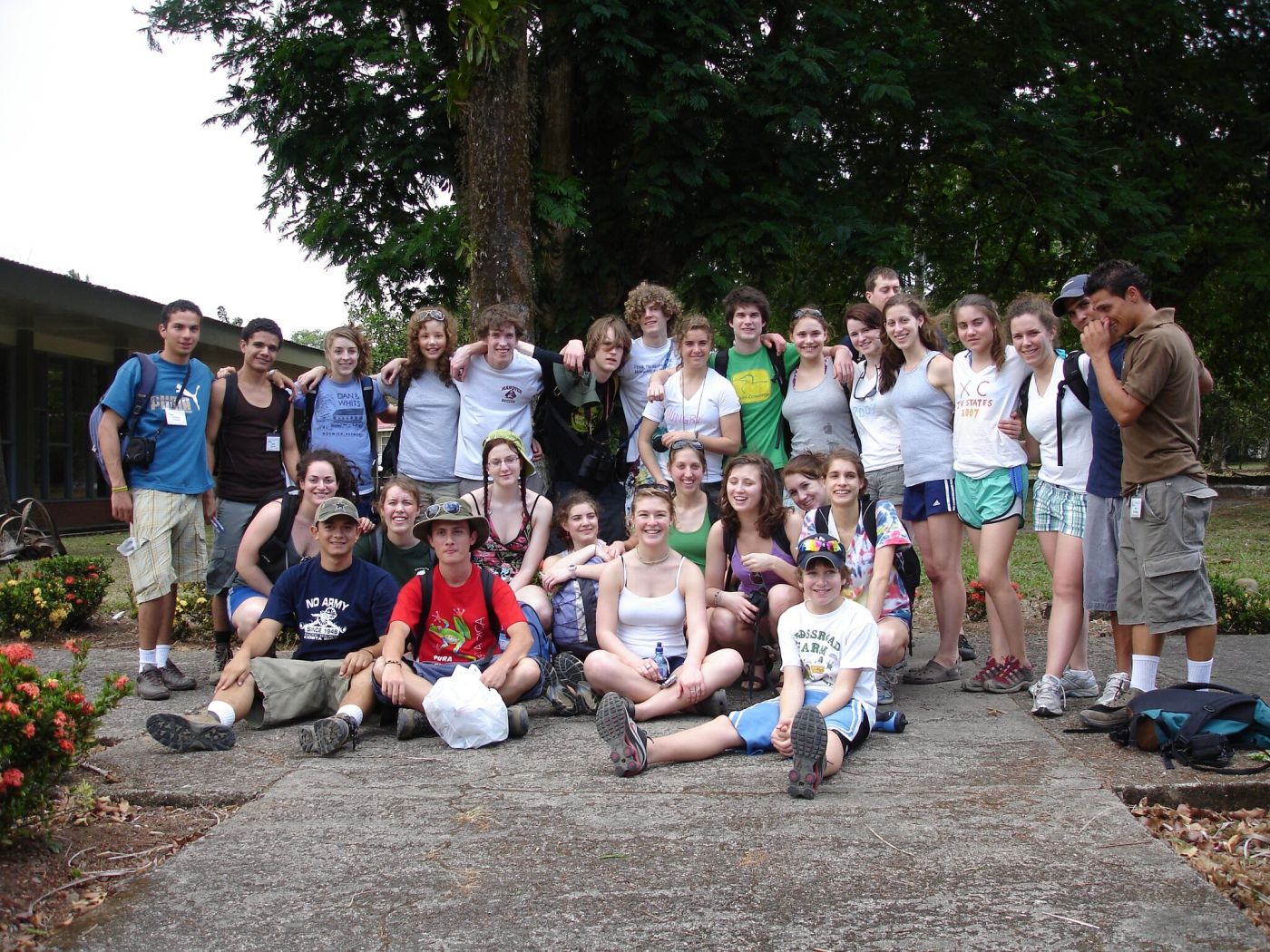
In 2000, Gil Calvo, a professional naturalist and tour guide, inspired by a lifelong passion for his native Costa Rica, created Tropic Advisors Costa Rica Inc, which has evolved into one of the Meso-America’s premier natural history tour companies.
Gil realized that a tour company needed to place visitors squarely in front of the natural treasures of Costa Rica, even if more work was required to visit remote and off-the-beaten-path parks and wildlife refuges. Panoply of rain forest, gorgeous beaches, lofty mountains, and sun-baked deserts, Costa Rica harbors one of the world’s truly impressive arrays of biodiversity. And the people are wonderful. You can’t adequately tour Costa Rica from an air-conditioned bus, racing against time from point A to point B; you need time to experience the place you’re visiting, time to mellow into the rhythms of life unencumbered. The real Costa Rica lies between the points: in our homes; our conversations, in Volkswagen-sized turtles that creep out of the Caribbean to lay their eggs on a desolate beach; the raucous voices of howler monkeys and scarlet macaws and the soothing sound of cobblestones rolling in the tide. The majesty of the landscape and the gentleness of the people are Costa Rica’s signature assets.
Gil created Tropic Advisers to share his country—the people and the land—closely and safely with our guests. A trip with Gil will not only uncover the treasures of wild Meso-America, it will also foster an exchange of ideas and community service in an effort to give something back to Costa Rica. Our reforestation program is one way we give back to nature. Already, we have planted over 1,400 trees in various schoolyards and reclamation zones around the country. Our student groups, adventure guests, family guests, and professional birding groups participated in the plantings.
Gil Calvo has 25 years of service as a Costa Rican tour guide, which has allowed him to work with the best professions the country has to offer. You’ll be treated to the best hotels, the best food, the safest drivers, and the highest level of nature-interpretation found in Costa Rica.
Costa Rica is our office; experience our guide; and positive attitude and enjoyment our philosophy. Friendship is our business partner and your safety is our rule. Giving you memories that will last a lifetime is our mission.
We offer custom-design trips, making you a partner in your own Costa Rican adventure.
Please contact us for further information on how to make your Costa Rican dream a reality. Our goal is not to be the biggest tour company in the country, but the best by supplying unprecedented professional and personal service.

Gil
About Costa Rica
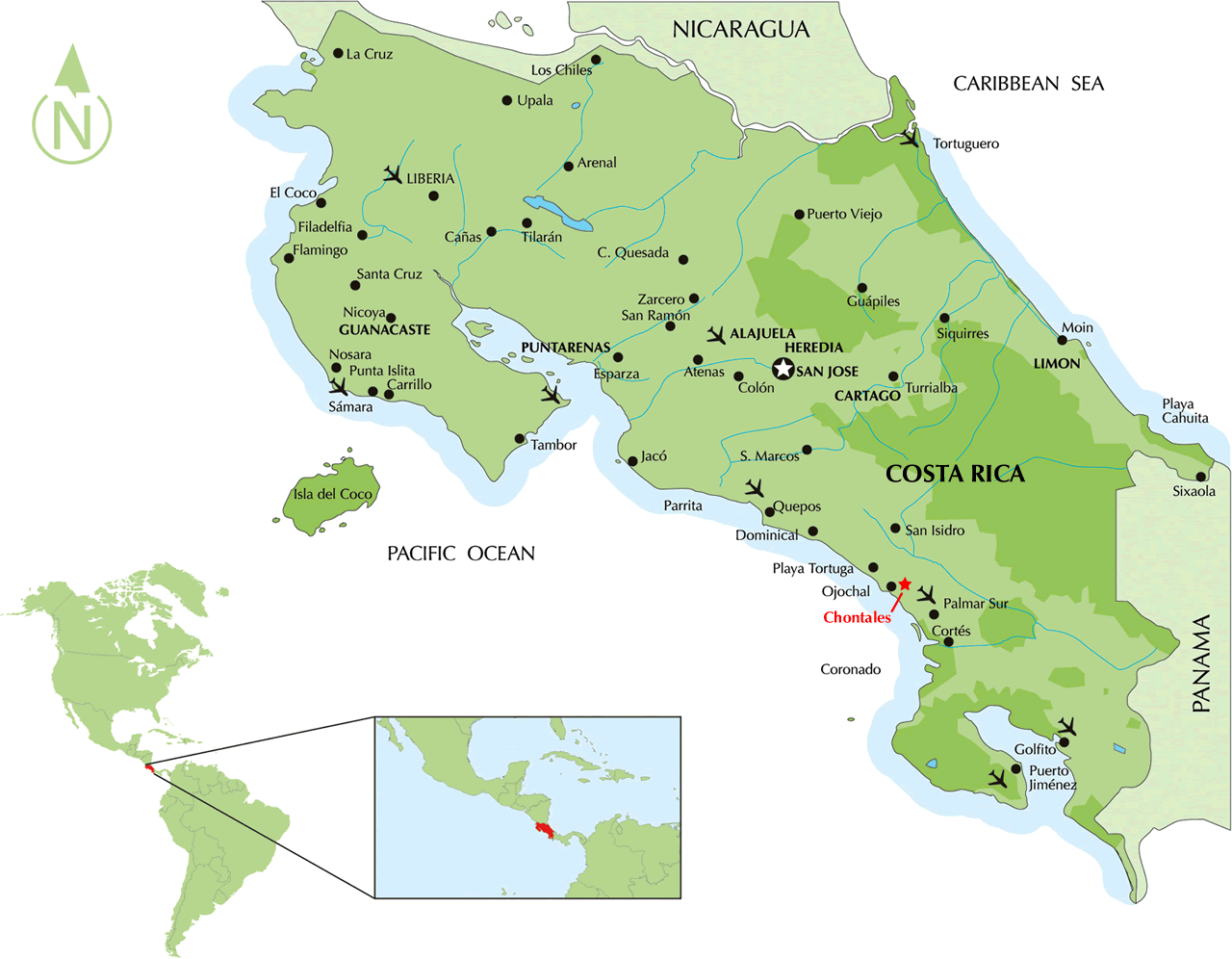
Geography
Area is: 51,100 sq. km (19,730 sq. mi.) about the size of the states of Vermont and New Hampshire combined.
Provinces: Capital: San Jose (greater metropolitan area pop. 2.2 million), this area also includes the cities and provinces of Alajuela, Cartago, and Heredia. The other provinces outside the Central Valley Area or The Greater Metropolitan area are: Cartago, Puntarenas and Limon.
Terrain: A rugged, central range separates the eastern and western coastal plains.
Climate: Mild in the central highlands, tropical and subtropical in coastal areas.
People
Nationality: Costa Rican(s).
Population (2016): 4.857 million.
Annual population growth rate (2016 est.): 1%.
Ethnic groups: European and some mestizo 94%, Afro-Caribbean origin 3%, Chinese 1%, Amerindian 1%.
Religion: Roman Catholic 76.3%, Evangelical Protestant 13.7%, other 4.8%, none 3.2%.
Languages: Spanish, with a southwestern Caribbean Creole dialect of English spoken on the Caribbean area of Limon.
Education: Years compulsory–9. Attendance–99% grades 1-6; 71% grades 7-9. Literacy 96%.
Health: Infant mortality rate–8.5/1,000. Life expectancy–men 77.5 yrs., women 82.2 yrs. (2016)
Work force (2009 est.): 2.05 million.
Unlike many of their Central American neighbors, present-day Costa Ricans are largely of European rather than mestizo descent; Spain was the primary country of Origen. Other descendants of 19th-century came from Jamaica as immigrant workers and nowadays constitute an English-speaking minority and–at 3% of the population but in recent year and do to the teaching of English as a second language starting in kinder garden Costa Rica is close to be consider a bilingual country. Few of the native Indians survived European contact; the indigenous population today numbers about 29,000 or less than 1% of the population.
Government
Type Democratic republic.
Independence: September 15, 1821.
Constitution: November 7, 1949.
Government Branches: Executive–president (head of government and chief of state) elected for one 4-year term, two vice presidents, Cabinet (22 ministers, two of whom are also vice presidents). Legislative–57-deputy unicameral Legislative Assembly elected at 4-year intervals. Judicial–Supreme Court of Justice (22 magistrates elected by Legislative Assembly for renewable 8-year terms).
Subdivisions: Seven provinces, divided into 81 cantons, subdivided into 421 districts.
Political parties: National Liberation Party (PLN), Citizen’s Action Party (PAC), Libertarian Movement Party (PML), Social Christian Unity Party (PUSC), and other smaller parties.
Suffrage: At 18 years’ old
History
In 1502, on his fourth and last voyage to the New World, Christopher Columbus made the first European landfall in the area. Settlement of Costa Rica began in 1522. For nearly three centuries, Spain administered the region as part of the Captaincy General of Guatemala under a military governor.
The small landowners’ relative poverty, the lack of a large indigenous labor force, the population’s ethnic and linguistic homogeneity, and Costa Rica’s isolation from the Spanish colonial centers in Mexico and the Andes all contributed to the development of an autonomous and individualistic agrarian society. An egalitarian tradition also arose. This tradition survived the widened class distinctions brought on by the 19th-century introduction of banana and coffee cultivation and consequent accumulations of local wealth.
Costa Rica joined other Central American provinces in 1821 in a joint declaration of independence from Spain. Although the newly independent provinces formed a Federation, border disputes broke out among them. Costa Rica’s northern Guanacaste Province was annexed from Nicaragua in one such regional dispute. In 1838, long after the Central American Federation ceased to function in practice, Costa Rica formally withdrew and proclaimed itself sovereign.
An era of peaceful democracy in Costa Rica began in 1899 with elections considered the first truly free and honest ones in the country’s history. This began a trend that continued until today.
Government
Costa Rica is a democratic republic with a very strong system of constitutional checks and balances. Executive responsibilities are vested in a president, who is the country’s center of power. There also are two vice presidents and a 20-plus member cabinet. The president and 57 Legislative Assembly deputies are elected for 4-year terms. In April 2003, the Costa Rican Constitutional Court annulled a 1969 constitutional reform which had barred presidents from running for reelection. As a result, the law reverted back to the 1949 Constitution, which permits ex-presidents to run for reelection after they have been out of office for two presidential terms, or 8 years. Deputies may run for reelection after sitting out one term, or 4 years.
The electoral process is supervised by an independent Supreme Electoral Tribunal–a commission of three principal magistrates and six alternates selected by the Supreme Court of Justice. Judicial power is exercised by the Supreme Court of Justice, composed of 22 magistrates selected for renewable 8-year terms by the Legislative Assembly, and subsidiary courts. A Constitutional Chamber of the Supreme Court (Sala IV), established in 1989, reviews the constitutionality of legislation and executive decrees and all habeas corpus warrants. The last national elections took place in February 2022.
President: Rodrigo Chavez
Costa Rica has no military and maintains only domestic police and security forces. A professional Coast Guard was established in 2000.
Our National Symbols
Flag:
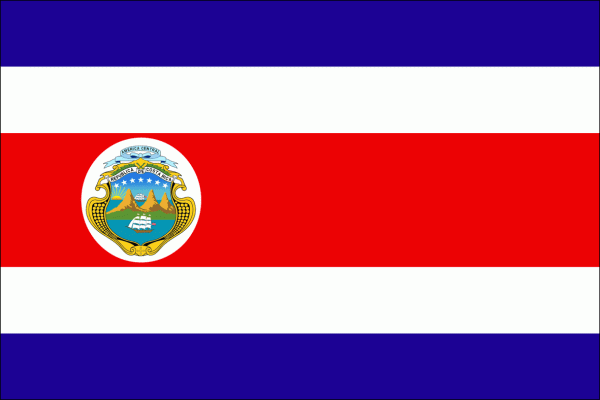
The National flag of Costa Rica was adopted on 27 November, 1906 which consists of five horizontal stripes. The colors of the flag are in the order of blue, white, red, white, and blue. The national flag of Costa Rica was designed by the first Lady, Pacifica Fernandez Oreamuno, in the year 1848.
The width of every stripe on the national flag is 1/6 of the total width, with the exception of the red stripe, which is 2/6 of the total width. The flag flown by the government includes the national coat of arms with a width-to-length ratio of 3:5.
The National flag is one of the leading national symbols of Costa Rica and is flown with much pride and dignity.
Coat of Arms:

It was created in 1848, under the presidency of Jose Maria Castro Madriz. The original seal went through two important changes. In 1906, war symbols were removed as a response to Costa Rican’s tradition for peace. Another change occurred in 1964, when two more stars were added as to represent the newly incorporated provinces. Today, the national seal shows seven stars, one for each province, three volcanoes representing the country’s three mountain ranges, and two merchant ships. There is a rising sun at the horizon between the blue sky and the blue ocean.”
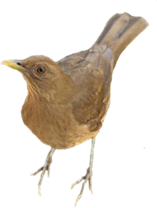
National Bird: Clay-Colored Thrush ( Turdus grayi)
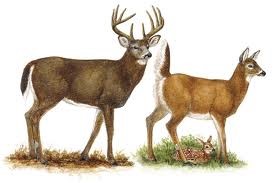
National Mammal: White tail Dear ( Odocoideus virginianus)
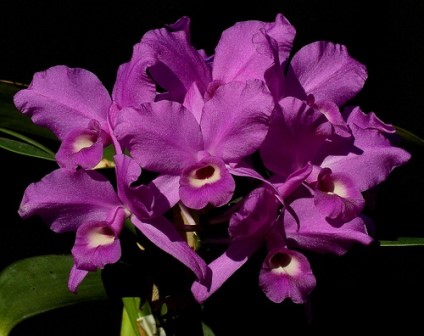
National Flower: Guaria Morada ( Guarianthe Skinery)
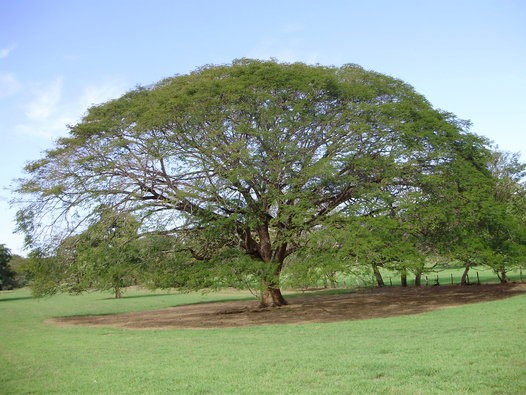
National Tree: Guanacaste ( Enterolobium cyclocarpum)
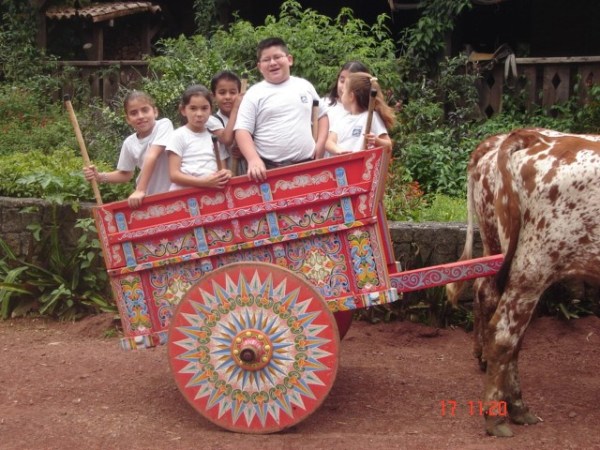
National Symbol of Work: The Costa Rican Ox-Cart
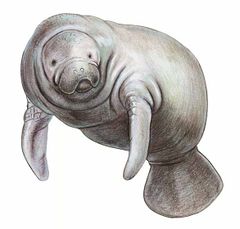
And our National Symbol of Marine Life: The West Indian Manatee (Trichechus manatus)
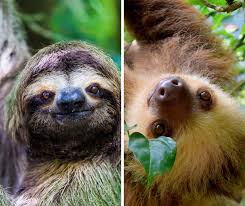
The Sloth : National symbol of our tropical Wildlife and our commitment to preserve and protect our forest areas ( 2 and 3 fingered sloths ( Choleopus hoffmanni and Bradypus variegatus)
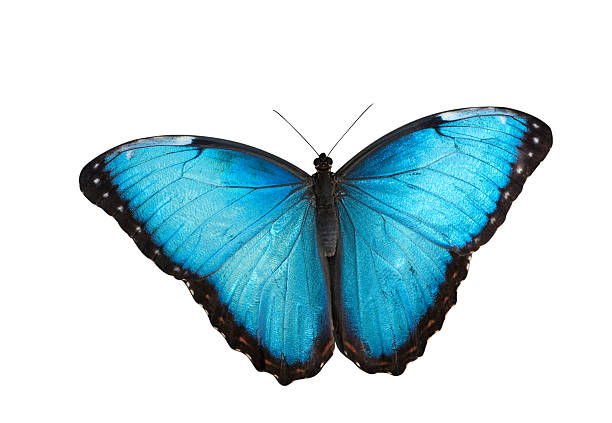
The Morpho Butterfly: National Symbol of Our Lepidopteran Fauna (Morpho peleides)
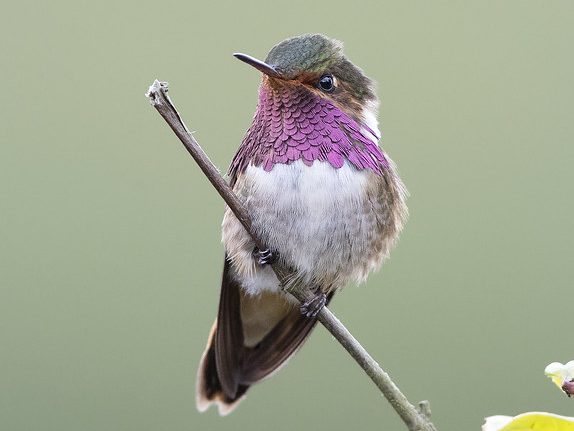
The Volcano Hummingbird : National Symbol for the protection of hummingbird Habitats and to promote Rural Turism (Selasphorus flammula)

 tropicadvisorscostarica.com